
Refurbished imaging equipment and OEM certified equipment are not opposites, and that is where the confusion starts. Refurbished describes what was done to the system. OEM certified describes who did it and who warrants it. A system can be both, one, or neither. The word on a listing tells you far less than the process behind it.
This guide sets out what each term means and what genuinely differs between them. It also covers what a real refurbishment involves, and the questions worth asking before you commit to either.
What Refurbished Medical Imaging Equipment Actually Means
Refurbished means the system has been through a defined process. It is stripped down and inspected. Worn and consumable parts are replaced. It is then reassembled, calibrated and tested against the manufacturer specification, and sold with a warranty.
That is the standard the word is supposed to carry. It is not always what it carries. Plenty of refurbished imaging equipment listings describe a system that was powered on, wiped down and photographed. The difference between those two things is thousands of dollars and, more importantly, whether the machine is still working in three years.
- Used Sold as it stands. No work, usually no warranty.
- Reconditioned Cosmetic and functional attention, but no defined standard behind the word.
- Refurbished Stripped, parts replaced, calibrated, tested to specification, warranted.
- OEM certified Refurbished by the manufacturer in its own facility, under the manufacturer quality programme.
The regulatory line matters too. The FDA distinguishes servicing and refurbishing from remanufacturing, which is changing a device beyond its original specification and carries manufacturer obligations. Ask which of those a supplier is actually doing.
What OEM Certified Means
OEM certified means the manufacturer refurbished the system itself, under a named programme such as GE GoldSeal, Siemens ecoline, Philips Diamond Select or Canon Secondlife. It is sold under their quality programme, with their warranty. Manufacturers run these under brand names, and the badge is a real thing rather than marketing language.
What you buy with it is a single point of accountability. Parts are manufacturer parts, software is manufacturer software, and the warranty comes from the company that built the machine. For a risk-averse buyer, or a facility that has to justify the decision to a board, that is worth paying for.
What you give up is price and choice. OEM certified inventory is a narrow slice of the market, limited to models the manufacturer still wants to support, and it is priced accordingly. If the system you want is not in that programme, no amount of budget will produce one.
Refurbished vs OEM Certified: What Actually Differs
| Factor | Independent refurbished | OEM certified |
|---|---|---|
| Who does the work | Specialist refurbisher | Manufacturer |
| Image quality | To original specification | To original specification |
| Parts | OEM and qualified equivalents | Manufacturer parts |
| Warranty from | The supplier | The manufacturer |
| Model choice | Wide, including older platforms | Narrow, current supported models |
| Price | Lowest | Higher, sometimes close to new |
| Lead time | Often in stock | Depends on programme availability |
| Software | As configured, options vary | Manufacturer current release |
Read that as one sentence. Both give you the same pictures. You are choosing between price and breadth of choice on one side, and single-vendor accountability on the other.
What a Real Refurbishment Involves
This is the part worth interrogating, because it is where refurbished imaging equipment suppliers genuinely differ. A serious refurbishment covers all of the following. A supplier should be able to tell you which of them they performed on the specific system you are being quoted.
- De-installation by engineers Recorded, not improvised, so the system arrives in a known condition
- Strip and inspection Down to subassemblies, with findings documented per serial number
- Wear parts replaced Tubes, detectors, coils, bearings, batteries and consumables assessed against usage, not age
- Cosmetic refinishing Covers, panels and table upholstery, because a tired-looking system erodes patient confidence
- Reassembly and calibration To the manufacturer specification, not to “it works”
- Image quality testing Phantom testing with results you can see
- Documented handover Test records, configuration, remaining life on major components
Ask for the test records. A supplier that refurbished the system properly has them and will send them. Quality management standards such as ISO 13485 exist precisely so that this process is documented rather than asserted, and we are certified to it.
What to Ask Before You Buy Refurbished Imaging Equipment
- What exactly was replaced on this serial number? Not on the model. On this machine.
- What is the warranty term and what does it cover? Parts, labour, travel and response time are four separate questions.
- Is the platform still supported and are parts available? This matters more than the year of manufacture.
- What software version and which licensed options? Options are often licensed rather than installed, and they do not always transfer.
- Who installs it, and are they your engineers? A refurbisher who subcontracts installation has less to lose than one who does not.
- Where is the system now? Location drives both price and how soon you can have it running.
- Can I see phantom images? If the answer is no, the machine was not properly tested.
A supplier who answers those seven questions without hedging is selling refurbished equipment. One who cannot is selling used equipment with better photography.
Refurbished MRI, CT, Ultrasound and X-Ray: What to Check on Each
The word refurbished covers very different work depending on the modality. The expensive wear item is different in each. These are the things worth asking about specifically.
Refurbished MRI equipment
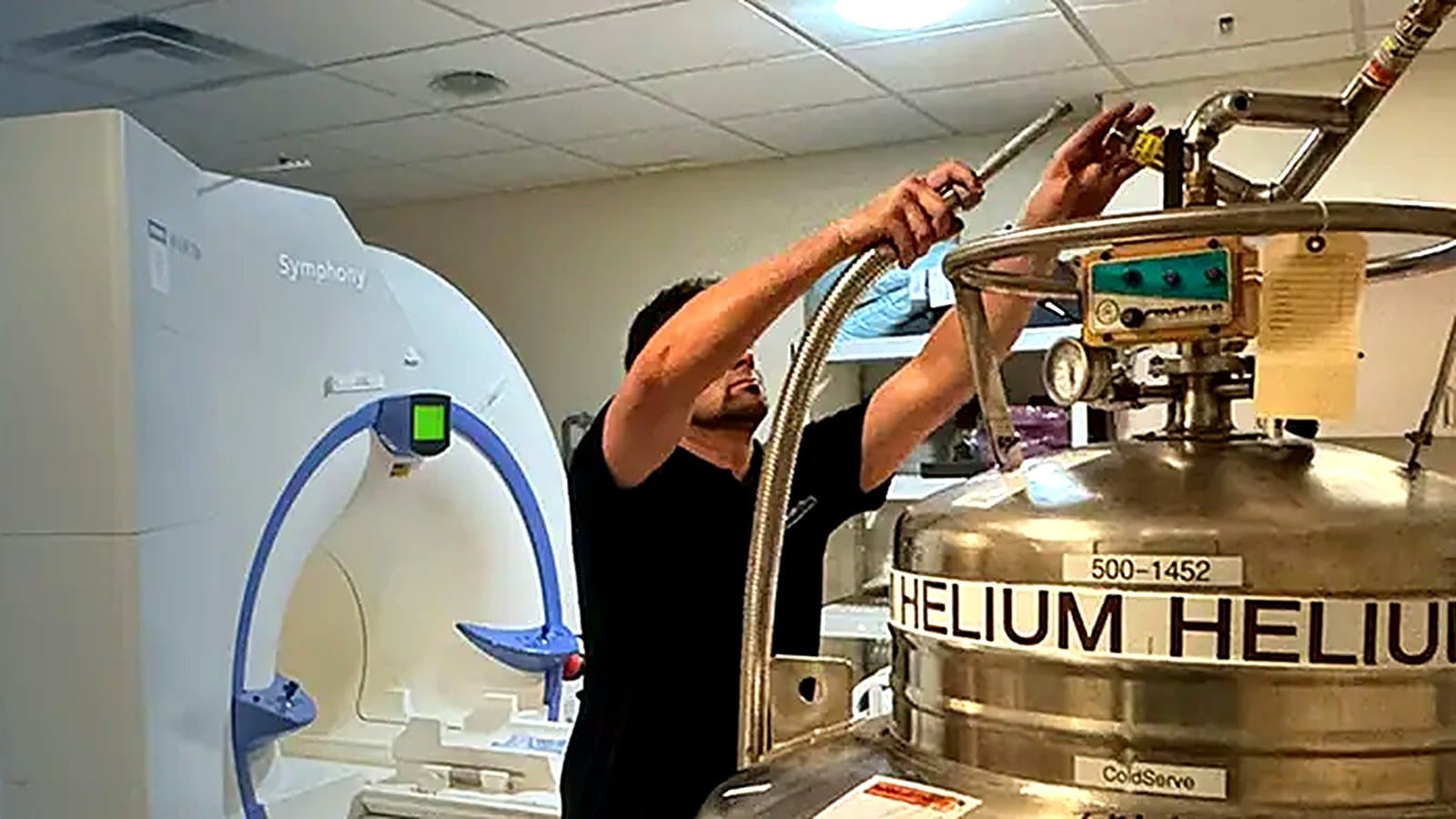
The magnet is the asset. Ask about cold head hours, service history and helium level. Ask whether the system has ever quenched, because a quench is a hard event for a magnet to have lived through. Coils are the other cost. A used MRI machine with a thin coil set is cheaper for a reason, and coils are expensive to add later. Refurbished MRI systems are a core part of what we ship, and our open versus closed MRI guide covers which configuration suits which caseload.
Refurbished CT scanner
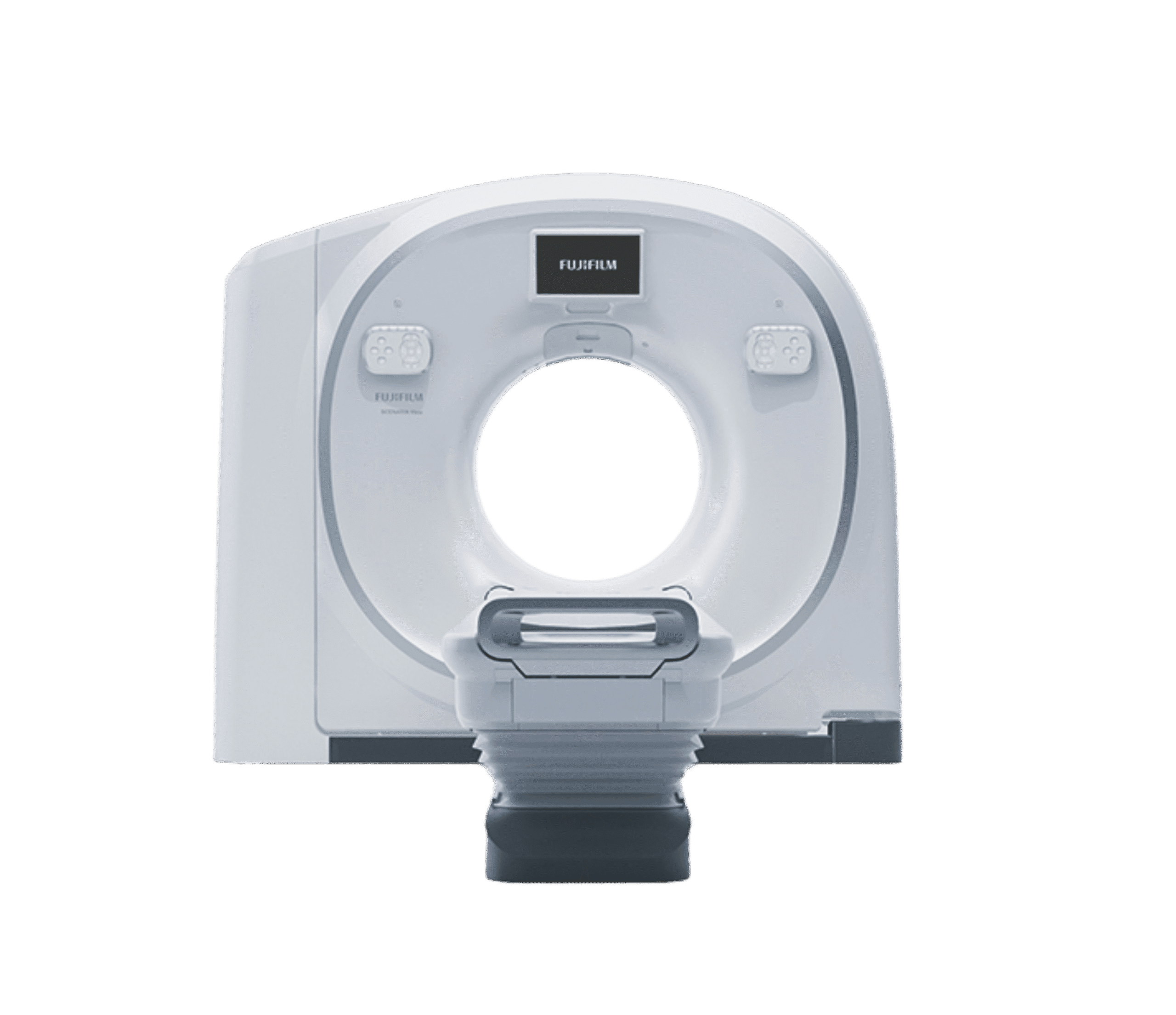
The tube is the wear part and the single biggest line item. Ask for exposure and scan second counts rather than age. A lightly used four-year-old tube can have more life left than a hammered two-year-old one. Confirm slice count and which reconstruction options are licensed. A used CT scanner with a nearly expired tube is not cheap, it is deferred cost.
Used ultrasound machine
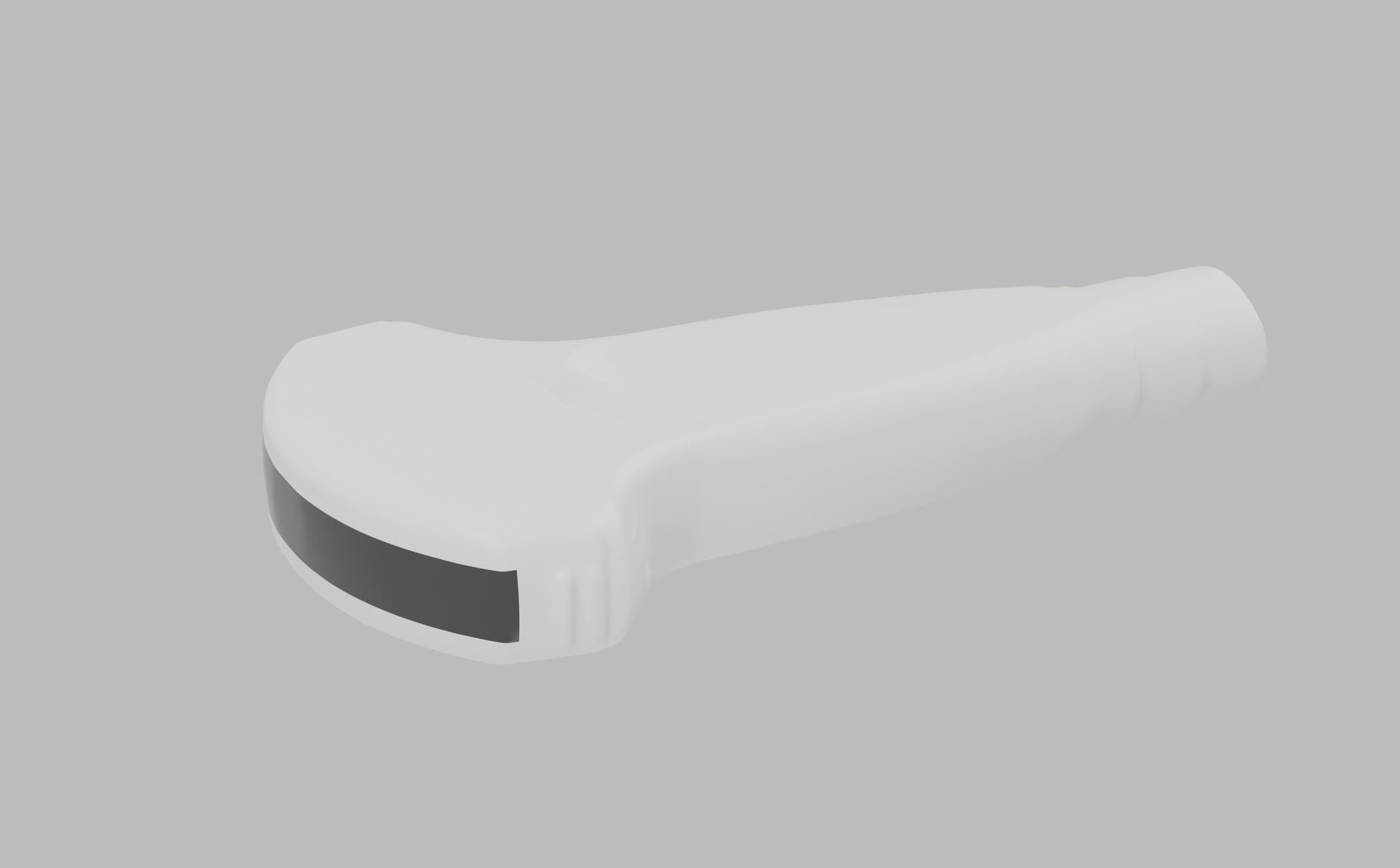
Here the probes are most of the value. A used ultrasound machine quoted without its probe set is not comparable to one quoted with four, and probes fail more often than consoles do. Ask which probes are included, their condition, and whether the licensed software options you need are actually enabled on that console.
Refurbished X-ray and C-arm
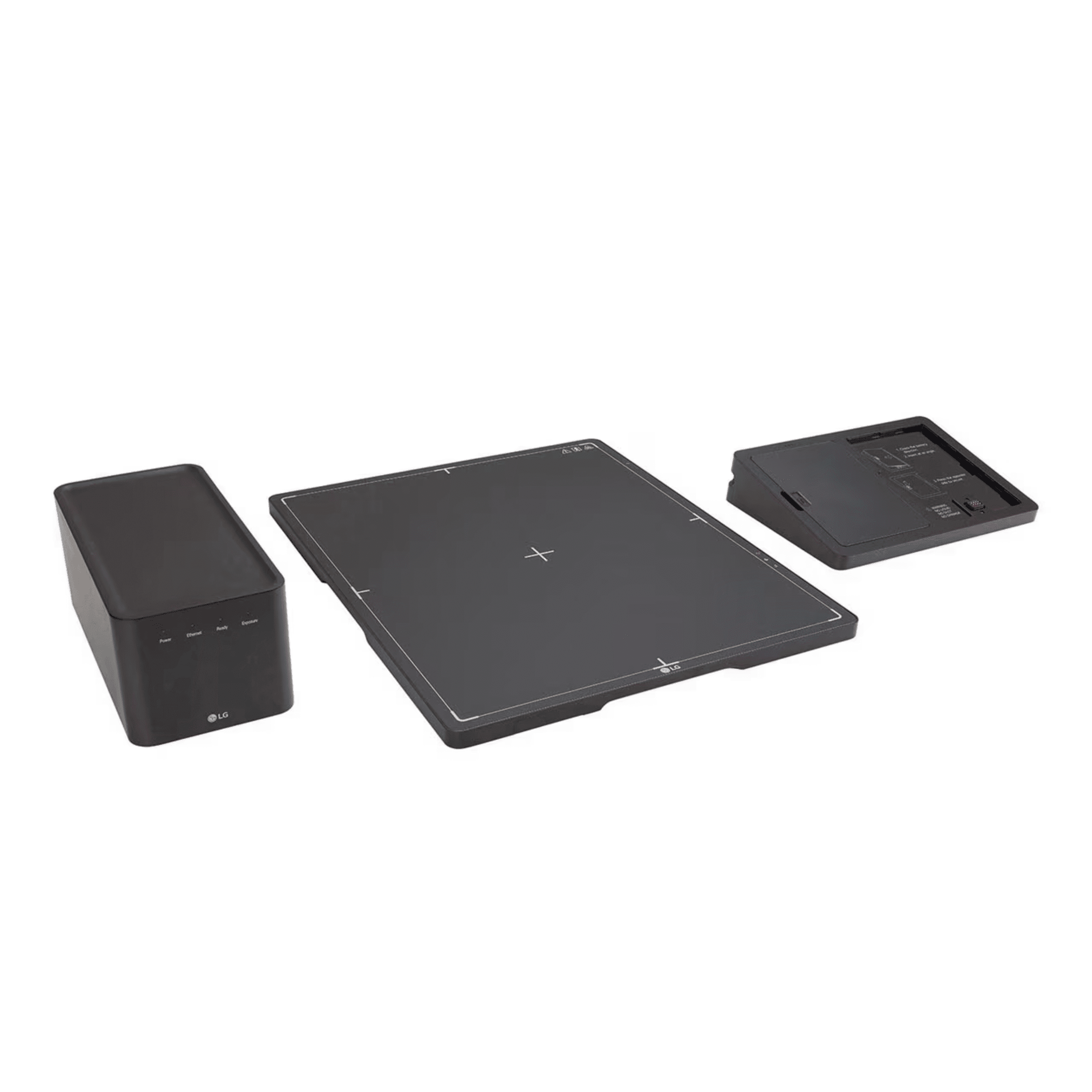
The detector drives the price on digital radiography, and detector condition and warranty matter more than the age of the room. On a C-arm, ask about the image intensifier or flat panel, tube hours and whether the system is still supported for parts.
What Refurbished Imaging Equipment Costs
Refurbished runs roughly 40 to 60 per cent below a new system of the same class, and that gap holds across modalities. Our system price ranges for MRI:
| System type | Refurbished | New |
|---|---|---|
| Open / low-field MRI | $300,000 to $525,000 | $600,000 to $950,000 |
| 1.5T closed MRI | $475,000 to $975,000 | $1,200,000 to $2,000,000 |
| 3T closed MRI | $1,000,000 to $1,900,000 | $2,100,000 to $3,700,000 |
Full breakdowns by modality are in our MRI cost guide, CT scanner cost guide and ultrasound cost guide. Delivery, rigging, installation and site work are quoted per project.
The saving is rarely the whole argument. What it usually buys is the rest of the project. The shielded room, the coils, a longer service contract, or a second modality in the same budget year.
When Refurbished Is Right, and When It Is Not
- Choose refurbished when the clinical requirement is well understood, the platform is widely supported, and the budget is better spent on the room and the service than on the newest generation
- Choose refurbished when timing matters, because a system in stock beats one still being built
- Choose OEM certified when single-vendor accountability is worth a premium, or procurement requires it
- Choose new when you need the newest sequences or applications, the highest gradient performance, or a long factory warranty
- Avoid used and unwarranted unless you have your own engineers and are buying knowingly for parts or backup
We hold refurbished MRI, CT, ultrasound, X-ray and C-arm systems, and we install and service what we sell. If you want a specific system assessed against your case mix and your room, tell us what you are trying to do and we will tell you honestly whether refurbished is the right answer.
Refurbished vs OEM Certified: Common Questions
Is refurbished medical imaging equipment as good as new?
For image quality and clinical capability, a properly refurbished system performs to the same specification it did when it left the factory. What differs is remaining service life, warranty length and the newest software features. A refurbished MRI machine or CT scanner is not a compromise on images. It trades newest-generation features and warranty term against a much lower price.
What does OEM certified actually mean?
It means the original equipment manufacturer refurbished the system itself under its own programme. It is sold under the manufacturer quality programme with its warranty. The important part is not the word certified but who stands behind the warranty and which parts were used. OEM certified programmes typically carry a higher price and a narrower model range than the independent market.
What is the difference between refurbished and used imaging equipment?
Used means sold as it stands, with no work done and usually no warranty. Refurbished means the system has been stripped, inspected, worn parts replaced, reassembled, calibrated and tested against the manufacturer’s specification, then sold with a warranty. The two words get used interchangeably in listings, so ask which one applies before comparing prices.
Does refurbished imaging equipment come with a warranty?
It should. A refurbished system from a serious supplier carries a written parts and labour warranty. The term varies by supplier and programme, so get it in writing before comparing prices. Service contract options extend beyond it. If a listing does not state a warranty term, treat it as used rather than refurbished however it is described.
How much cheaper is refurbished imaging equipment?
Roughly 40 to 60 per cent against a new system of the same class. A refurbished 1.5T MRI runs 475,000 to 975,000 US dollars against 1,200,000 to 2,000,000 new. The gap is similar across CT, ultrasound, X-ray and C-arm.
Can refurbished equipment be serviced and get parts?
Yes, and parts availability is usually the better question to ask than age. A widely installed platform has a deep parts pool and engineers who know it. A rare or end-of-support model can be newer and still be harder to keep running. Platform choice matters more than year of manufacture.
Is a refurbished MRI machine worth it?
For most facilities, yes. The image quality is the same, the price is roughly half, and the money saved usually funds the room, the coils or the service contract. It is the wrong choice in only a few cases. You may need the newest sequences, the highest gradient performance, or a warranty only a new purchase provides. For a worked example on one modality, see our used C-arm buying guide.
