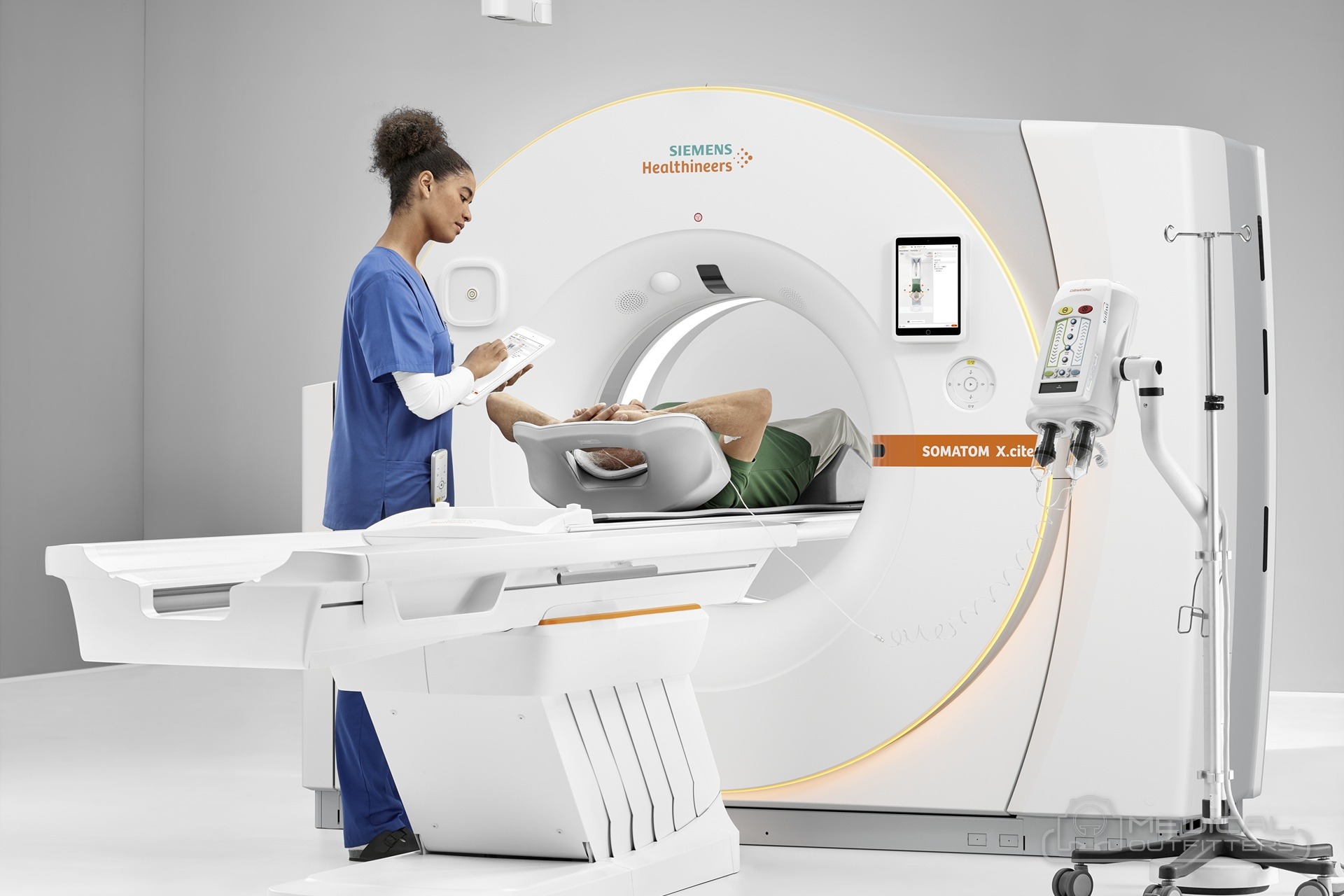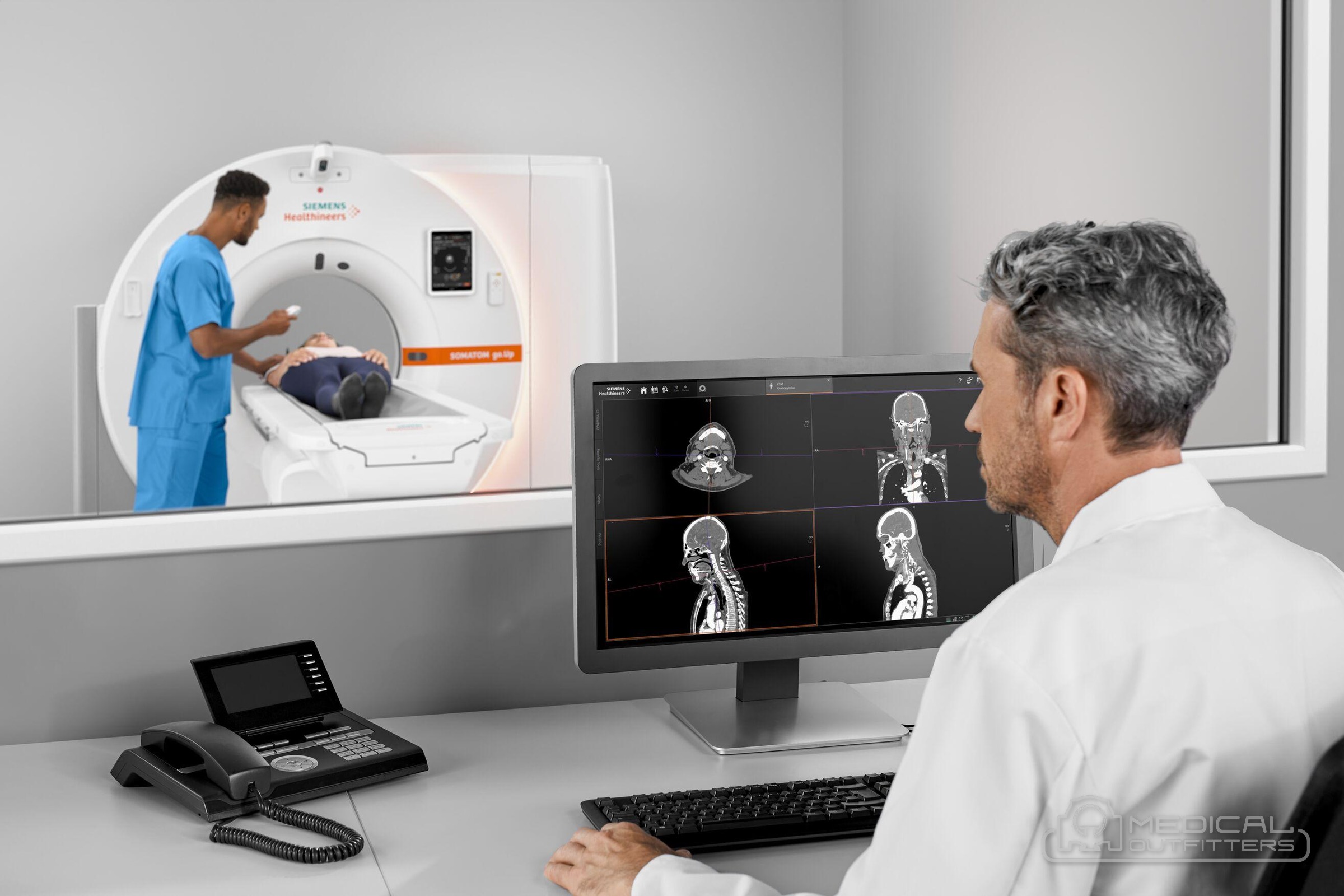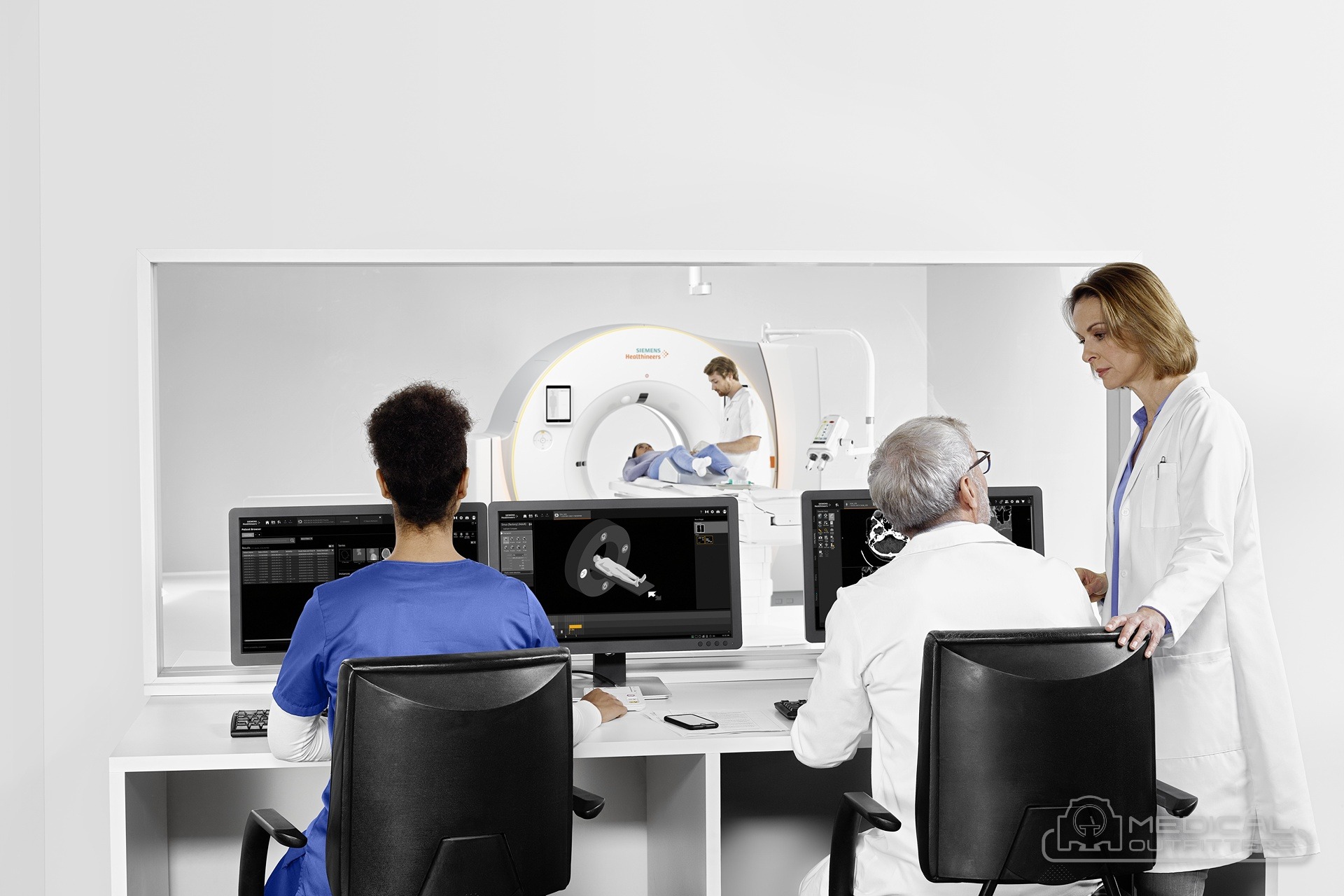
CT contrast dye side effects are the question behind most of the nerves before a contrast CT, and the published answer is more reassuring than many patients expect. The “dye” is an iodine-based contrast material injected into a vein so that blood vessels and organs stand out on the images. Most people feel a brief wave of warmth and taste metal, and nothing else. A small share have a mild reaction such as hives or nausea, a very small share have a serious one, and some notice a rash hours or days later. This guide sets out what the American College of Radiology’s Manual on Contrast Media, RadiologyInfo and the FDA say about each of those groups, with the sources’ own frequency figures; the kidney and thyroid cautions as those sources state them; what to tell the technologist beforehand; and, for the facilities that run the scans, how faster scanners and modern injector techniques can reduce the amount of contrast a patient receives.
Medical Outfitters sells CT scanners new from Fujifilm and refurbished from GE, Siemens, Philips, Canon and Hitachi through its MO Select line, and installs and services them across the United States, Puerto Rico and the Caribbean. This article is written for patients who want to understand the injection and for the administrators, radiology managers and clinicians who run contrast CT services. It is not medical advice. No contrast agent is named here as better than another. Whether you need contrast, and how you prepare for it, are decisions for your own doctor and imaging center, and their instructions come first.
- Expected effects: warmth, flushing and a metallic taste for a few minutes, per RadiologyInfo; MedlinePlus says they usually pass within seconds.
- Reactions are uncommon: 0.6 percent allergic-like and 0.04 percent severe for modern iodinated contrast, per the ACR Manual on Contrast Media 2026.
- Delayed rashes happen: the ACR manual reports delayed reactions from 0.5 to 14 percent, mostly skin rashes between three hours and two days after the scan.
- Kidneys and thyroid: the ACR treats severe kidney disease and some thyroid conditions as reasons for extra care, not automatic refusal.
- Tell the technologist: earlier contrast reactions, asthma, kidney disease, diabetes medicines, thyroid conditions and pregnancy, as RadiologyInfo and the ACR list them.
What the Dye in a CT Scan Actually Is
Patients call it dye, and the word sticks: people search for cat scan dye, dye in ct scan, dye for ct scan, ct scan dye and ct with dye, all meaning the same injection, and searches such as “ct scan side effects contrast dye” and “side effect contrast ct scan” ask the question this article answers. RadiologyInfo, the patient information site run by the Radiological Society of North America and the American College of Radiology, is careful to correct the term. Contrast materials, it says, are not dyes that permanently discolor internal organs. They are substances that temporarily change the way X-rays interact with the body. For CT, the material injected into a vein is iodine-based, and when it is present in a part of the body it blocks or limits the ability of X-rays to pass through, so the blood vessels, organs and tissues that temporarily hold it look different on the images. Afterward, RadiologyInfo says, it is absorbed by the body or eliminated through urine or bowel movements.
The cat scan contrast dye used today is also not the product many older relatives remember. The ACR Manual on Contrast Media, 2026 edition, explains that acute adverse events occurred in 5 to 15 percent of all patients who received the older ionic high-osmolality agents, and that many of those were physiologic disturbances such as generalized warmth, nausea or vomiting that were recorded as reactions. Those agents, the manual says, are now rarely or never used in blood vessels because of their greater adverse event profile. The nonionic low-osmolality agents that replaced them are associated with a very low incidence of acute adverse events, and the bulk of those are not life-threatening.
Two points about the word “side effect” are worth separating early, because the ACR separates them too. Some sensations are expected effects of the injection itself and happen to a large share of patients. Adverse reactions are different: the ACR classes them as either allergic-like, which look like an allergy, or physiologic, which are a direct effect of the chemical on the body, and grades both as mild, moderate or severe. The manual stresses that the distinction matters in practice, because patients with an allergic-like reaction may need medicines before a future scan while patients with a physiologic reaction would not. Which exams need contrast at all is covered in our guide to CT scans with contrast vs without, and how the injection is given, through the IV line and the power injector, in our article on IV contrast for CT.
CT Contrast Dye Side Effects That Are Expected and Short
The common CT contrast dye side effects are sensations, not reactions, and the patient sources describe them in nearly the same words. RadiologyInfo says that when an iodine-based contrast material is injected into the bloodstream, you may have a warm, flushed sensation and a metallic taste in your mouth that lasts for a few minutes. MedlinePlus, the National Library of Medicine’s patient encyclopedia, says contrast given through an IV may cause a slight burning feeling, a metallic taste in the mouth and a warm flushing of the body, and that these sensations are normal and usually go away within a few seconds. Knowing that the warmth is coming makes it far less alarming, so it is worth asking the technologist to say when the injection starts.
The IV line brings its own small effects. RadiologyInfo notes that the needle may cause some discomfort when it is inserted and that there may be some bruising once it is removed. Afterward, if you were not sedated, RadiologyInfo says no recovery period is necessary: you may resume your usual activities and normal diet immediately, and drinking more fluids helps the body eliminate the contrast material.
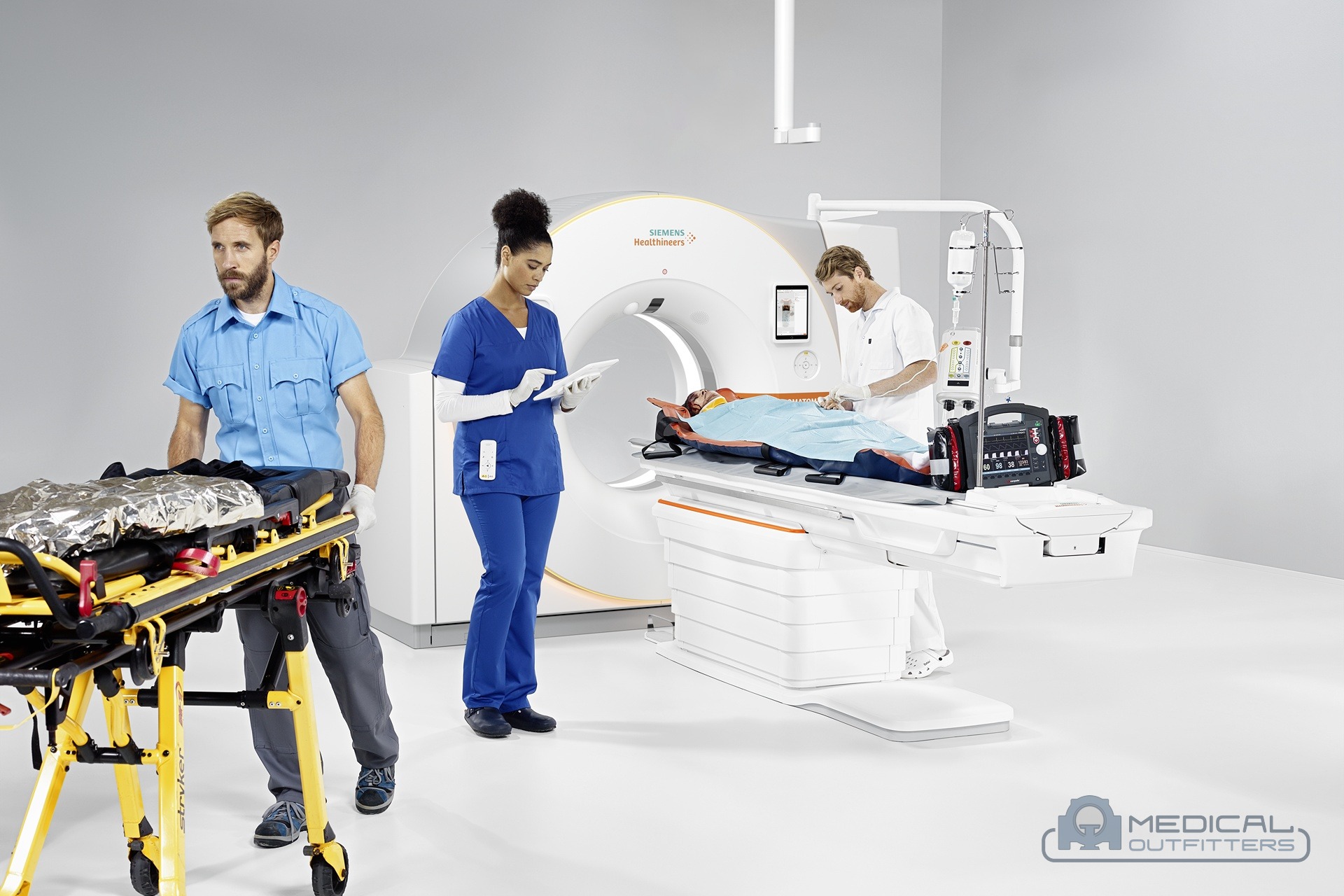
One effect at the injection site deserves a name, because it is the one patients are asked to report straight away. Occasionally the contrast leaks into the tissue around the vein instead of flowing through it, which is called extravasation. The ACR Manual on Contrast Media reports that 0.1 to 1.2 percent of CT injections result in an extravasation, that most resolve without complication and that severe injuries are very rare. The manual says that if a patient reports pain or a feeling of swelling at the injection site, the injection should be stopped, and RadiologyInfo tells patients to inform the nurse or technologist immediately if they feel pain or tingling there during or right after the injection.
Anxiety plays a part as well. The ACR describes vasovagal reactions, a drop in blood pressure with a slow heart rate, as relatively common; they may be related to anxiety and can occur during consent, while the needle or catheter is placed, or during the injection, often with a feeling of apprehension and sweating. The manual adds that there is some evidence contrast reactions are more common in anxious patients and that reassuring an anxious patient before the injection may reduce the likelihood of a mild reaction. Saying that you are nervous is useful information for the team, not a nuisance.
Reactions by Severity: What Is Common and What Is Rare
The ACR Manual on Contrast Media grades acute reactions in three tiers and gives examples of each, split into allergic-like and physiologic. Mild reactions are self-limited, with no sign of progression. Moderate reactions are more pronounced and commonly need medical management, and some could become severe if not treated. Severe reactions are often life-threatening and can cause permanent harm or death if not managed appropriately. RadiologyInfo gives a shorter patient version of the same ladder: nausea and vomiting, headache, itching, flushing and a mild skin rash or hives as mild; a severe rash or hives, wheezing, abnormal heart rhythms, high or low blood pressure and shortness of breath as moderate; difficulty breathing, swelling of the throat or other parts of the body and profoundly low blood pressure as severe, to be reported immediately.
How often each tier occurs is the figure patients ask for, and the ACR is careful about it: the frequency is difficult to determine with precision, because similar symptoms can come from other conditions, medicines or anxiety, and reporting varies. With that caution, the manual collects the published figures for modern low-osmolality agents given into a vein.
| Measure | Figure reported | Where the ACR Manual on Contrast Media takes it from |
|---|---|---|
| Allergic-like reactions, adults, all severities | 0.6 percent | Wang et al, 84,928 adult patients |
| All acute reactions, allergic-like plus physiologic | 0.2 percent at one institution; 0.7 percent at another | Cochran et al; a two-year review of 29,508 patients |
| Allergic-like reactions, children | 0.18 percent | Dillman et al, one pediatric institution |
| Severe acute reactions | About 4 in 10,000 (0.04 percent) | Historical rate, Katayama et al |
| Delayed allergic-like reactions | 0.5 to 14 percent | Published range, mostly skin reactions |
| Extravasation at the IV site, CT | 0.1 to 1.2 percent of injections | Extravasation chapter |
Two further points from the manual put the rare end in context. First, nearly all life-threatening contrast reactions occur within the first 20 minutes after the injection, which is why patients are watched during and shortly after the scan. Second, deaths are rare enough that the rate is uncertain: the manual reports that a large Japanese study found no fatal reactions in more than 170,000 injections of low-osmolality contrast, that a meta-analysis documented 0.9 deaths per 100,000 injections, and that a review of FDA and manufacturer data from 1990 to 1994 found 2.1 deaths per million contrast-enhanced studies. RadiologyInfo summarizes the same picture for patients: contrast materials are safe drugs, severe reactions are very uncommon, and radiology departments are well equipped to deal with them.
Physiologic reactions follow different rules from allergic-like ones. The ACR says they are frequently dose and concentration dependent, and lists cardiac arrhythmias, depressed heart contractility, fluid on the lungs and seizures as very rare but potentially serious examples. Cardiovascular effects, the manual adds, are more frequent in patients with underlying heart disease, and cardiac events are much more common during heart catheterization than after an IV injection for CT.
Delayed Reactions: The Rash That Appears Hours or Days Later
Not every side effect appears on the scanner table. RadiologyInfo says a very small percentage of patients may develop a delayed reaction with a rash, hours to days after an exam with iodine-based contrast; most are mild, and severe rashes may need medication after discussion with a physician. The ACR Manual on Contrast Media gives the detail. Delayed reactions are most commonly skin reactions and may develop from 30 to 60 minutes up to one week after the contrast, with the majority between three hours and two days. Reported incidence ranges from 0.5 to 14 percent; in one prospective study of 258 people given IV contrast, the delayed reaction rate was 14.3 percent compared with 2.5 percent in a control group imaged without contrast, and 26 of the 37 delayed reactions involved the skin.
The manual describes the usual form as hives or a persistent rash of small raised spots that varies widely in size and spread, often itchy. Other delayed symptoms have been reported, including nausea, vomiting, fever, drowsiness and headache. Two rare delayed effects are named separately: swelling of the salivary glands, sometimes called iodide mumps, and joint pain in several joints, both of which the manual says may be more frequent in people with reduced kidney function. Serious delayed reactions are described as extremely rare.
The reason this section matters is that delayed reactions are easy to miss. The ACR notes that they occur more often than is generally recognized, are often blamed on something else, and are often never brought to the radiologist’s attention. They are more common in patients treated with interleukin-2 therapy, and the manual reports some evidence that the iso-osmolar agent iodixanol has a slightly higher rate of delayed skin reactions than other low-osmolality agents. Treatment is usually supportive, the manual says, and because the reactions tend to recur, possibly in 25 percent or more of cases by anecdotal estimate, it is worth telling the next imaging center about any rash that followed a contrast scan. For a patient with only a prior mild delayed skin reaction, the ACR does not specifically advocate premedication before future scans.
The practical advice in every source is the same: if a rash, swelling or other new symptom appears in the days after a contrast CT, contact your own doctor or the imaging center that did the scan, and mention the contrast.
The Kidney and Thyroid Cautions, as the Sources State Them
Kidneys. The kidney question has changed more than any other in the past decade, and the ACR Manual on Contrast Media now uses two terms. Contrast-associated acute kidney injury describes any worsening of kidney function within 48 hours of contrast, whatever the cause. Contrast-induced acute kidney injury is the subgroup actually caused by the contrast. The manual reports that four large studies published in 2013 and 2014, each with more than 10,000 patients, found contrast-induced injury much less common than previously believed. In patients with a stable eGFR, a measure of kidney filtration, of 45 or more, IV iodinated contrast was not an independent risk factor for kidney injury; at a stable eGFR of 30 to 44 it was either not harmful to the kidneys or rarely so; below 30, two studies found a risk and two did not. The manual names pre-existing severe kidney insufficiency as the most important risk factor and says preventive IV fluids are indicated for patients with acute kidney injury or an eGFR below 30 who are not on dialysis. RadiologyInfo puts it for patients: if you have severe kidney disease and very poor kidney function, you may be at increased risk of worsening kidney function, and the benefits of a contrast scan often outweigh the risks. On metformin, the ACR sees no need to stop the drug with an eGFR of 30 or above and no acute kidney injury; your own doctors decide.
Thyroid. Contrast carries a large dose of iodine, and the thyroid uses iodine. The ACR manual says patients with a history of an overactive thyroid can develop thyrotoxicosis after iodinated contrast, but that this is rare, so contrast is not restricted on that basis alone. Two situations are different: in a patient in acute thyroid storm, contrast should be avoided; and in a patient planning radioactive iodine treatment or a radioactive iodine thyroid scan, contrast can interfere with the uptake, so the manual suggests a washout period of ideally 3 to 4 weeks for an overactive thyroid and 6 weeks for an underactive one. In people with a normally working thyroid, the manual says, contrast does not affect thyroid function test results, and multiple studies show that a single dose given to a pregnant mother has no effect on the newborn’s thyroid function.
Young children. The FDA addressed the youngest patients directly. In a Drug Safety Communication of March 30, 2022, it recommended thyroid monitoring within 3 weeks for newborns and children through 3 years old who receive injected iodine contrast, after reviewing studies in which decreased thyroid hormone levels, mostly temporary, were reported in 1 to 15 percent of children. An April 26, 2023 update revised the class labeling so that decisions about monitoring are individualized on each child’s risk factors, which the FDA says may include prematurity, very low birth weight and conditions affecting thyroid function. The ACR’s position, quoted in its manual, is that the risk of clinically relevant underactive thyroid is quite low in children younger than 3 months and minimal to absent from 3 months on.
Who Should Tell the Technologist, and What to Say
RadiologyInfo asks every patient to tell their doctor about three things before a contrast exam: previous allergic reactions to contrast materials; allergies to food, drugs, dyes, preservatives or animals; and a history of heart disease, diabetes, kidney disease or thyroid problems. The ACR Manual on Contrast Media explains what each answer changes.
A prior reaction to CT contrast. This is the most important answer. The ACR calls a prior allergic-like or unknown-type reaction to the same class of contrast the greatest risk factor, with about a fivefold increase in risk, and estimates the chance of another reaction at 10 to 35 percent without premedication and about 10 percent with it. The manual adds that patients premedicated for a prior reaction have a breakthrough reaction rate of 2.1 percent and that patients whose first reaction was mild have a very low risk, under 1 percent, of a severe breakthrough reaction. Say what happened, when, and whether you took medicines beforehand last time.
Other allergies and asthma. Unrelated allergies raise the risk two to three times, the ACR says, and asthma also increases it, but in neither case does the manual recommend restricting contrast or premedicating on that basis alone. It addresses a common worry directly: people with shellfish or povidone-iodine allergies are at no greater risk from iodinated contrast than people with other allergies. A reaction to MRI contrast does not predict one to CT contrast either, because the manual finds no cross-reactivity between the two classes.
Heart, medicines and other conditions. Severe heart disease raises the stakes if a reaction occurs. Beta-blockers, the ACR says, do not need to be stopped. Myasthenia gravis is listed as a question the radiologist will want to know about: one retrospective study found symptom flares within a day in about 6 percent of patients after IV contrast against about 1 percent after a CT without it, and the manual calls the relationship questionable and the question of caution controversial. Sickle cell disease and pheochromocytoma, by contrast, are not reasons to restrict contrast in the manual.
Pregnancy and breastfeeding. RadiologyInfo asks women to tell their physician or technologist if there is any possibility of pregnancy, and states that iodinated contrast for CT is not known to pose any significant risk to the mother or baby. On breastfeeding, RadiologyInfo’s CT pages report that manufacturers advise a pause of 24 to 48 hours, and that according to the ACR the amount of contrast absorbed by the infant is extremely low.
The imaging center’s own form, and the radiologist reviewing it, decide what happens next. Every source above tells patients to follow their own doctor and center.
How Faster Scanners and Modern Injectors Reduce the Contrast Needed
For a facility, the published research on the dye in a CT scan points to the equipment. The ACR notes that physiologic reactions are frequently dose dependent, so any technique that delivers a diagnostic scan with less iodine is worth knowing about. Three levers appear repeatedly in the literature, and all three depend on what the scanner and the injector can do.
Lower tube voltage. Several studies have tested scanning at a lower X-ray tube voltage, measured in kVp, which our guide to CT scanner acronyms explains, together with less iodine. A 2021 study in the British Journal of Radiology of 424 patients undergoing liver CT compared an 80 kVp protocol with 370 milligrams of iodine per kilogram against a 120 kVp protocol with 600; the low-voltage protocol, reconstructed with hybrid iterative reconstruction, matched the standard one for lesion detection and image quality and used 38.3 percent less iodine. A randomized trial at 16 hospitals, published in the Korean Journal of Radiology in 2018, compared CT urography at 80 kVp with a lower-concentration contrast (240 milligrams of iodine per milliliter) against 120 kVp with 350; among 299 patients, the low-voltage scans were not inferior in diagnostic acceptability and reduced both the iodine load and the radiation dose, from 8.43 to 5.73 millisieverts on average. Both studies relied on iterative reconstruction to control image noise, which is software the scanner must have and be licensed for.
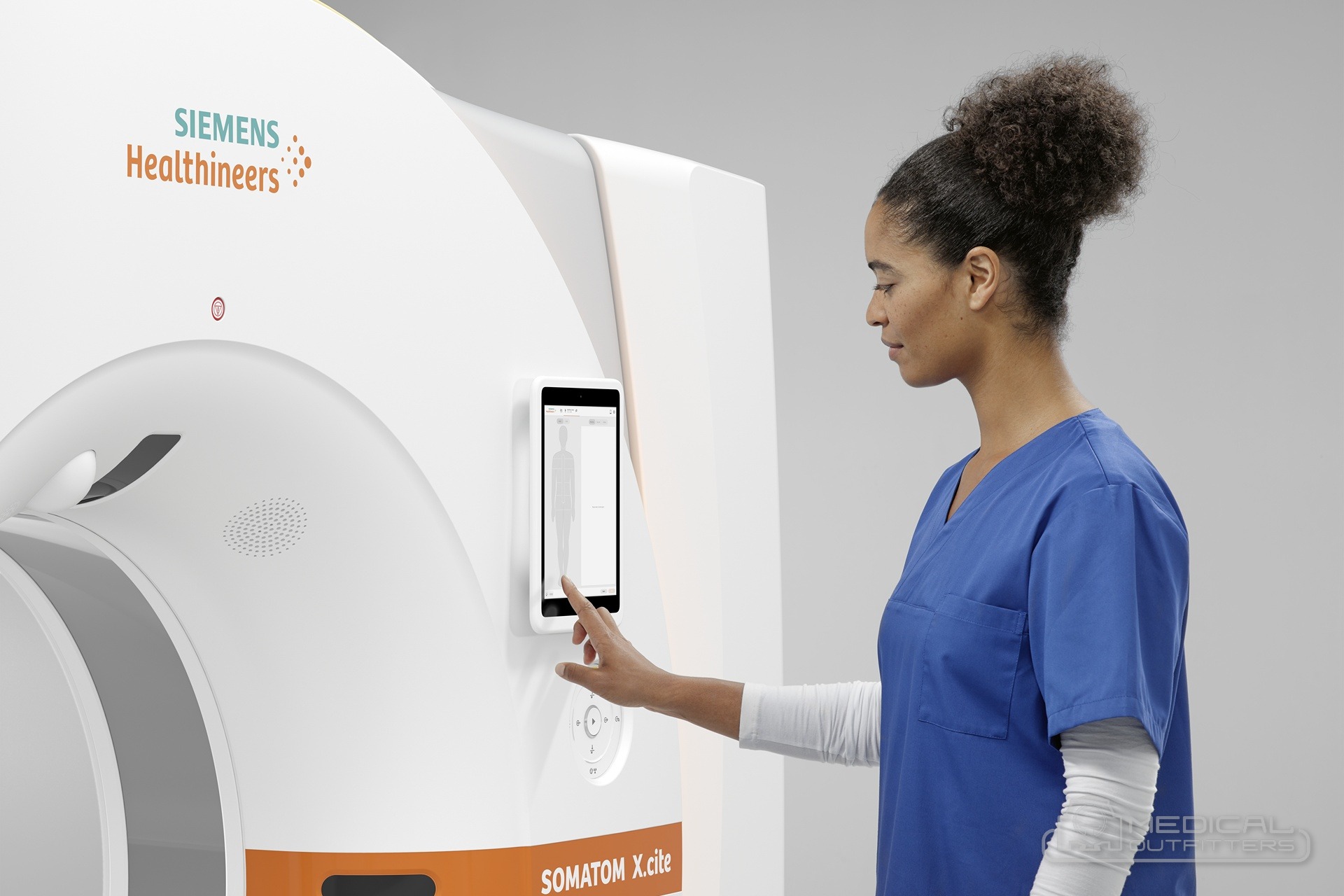
A saline flush. A dual head injector carries a second syringe of saline that pushes the contrast through the tubing and the arm veins after the injection. An Applied Radiology article from August 2020, sponsored by the injector maker Bracco and citing a 2010 review in the journal Radiology, says a saline flush ensures complete delivery of the contrast dose into the circulation and can reduce the amount of iodine needed. Our article on IV contrast for CT compares single head, dual head and syringeless injectors.
Speed and timing. Contrast is useful only while it sits where the radiologist needs it, and arterial phases last seconds. A scanner that covers the anatomy within that window, with bolus tracking that starts the scan when the contrast arrives instead of on a fixed clock, makes each milliliter count. Our guide to CT scanner types by slice count explains how detector coverage changes scan time, and the Medical Outfitters CT scanner cost and price guide describes the 16 to 32-slice class as the tier for routine CT without cardiac work and the 64-slice class as the workhorse that adds coronary CT angiography.
The room has to be ready for the rare reaction too. The ACR manual says that everyone who injects intravascular contrast should be prepared to recognize the range of adverse events and to manage them, including notifying the supervising radiologist, monitoring the patient, giving medications and calling for help, and it recommends prearranged response planning with trained personnel, equipment and medications in place before such exams are approved. For a buyer, that means space at the table side, a clear view of the patient from the console, and the emergency equipment the department’s policy requires. Our guide to CT scanner room size and requirements covers the layout, and the used CT scanner buying guide lists the software licenses, such as low-dose reconstruction and bolus tracking, to confirm before a refurbished system is bought.
Planning a Contrast CT Service With Medical Outfitters
Medical Outfitters supplies new Fujifilm CT systems and MO Select refurbished scanners from GE, Siemens, Philips, Canon and Hitachi, delivered, installed and serviced across the United States, Puerto Rico and the Caribbean. If your CT service runs contrast exams, start with the CT scanner cost and price guide, then browse the CT scanners we list and the refurbished imaging equipment available through MO Select. For the exam itself, see our guides to the CT abdomen and pelvis with contrast and what a CT scan costs; for keeping the scanner and its software running, our CT scanner service page. To talk through a scanner and injector setup for contrast work, contact Medical Outfitters.
- American College of Radiology, ACR Manual on Contrast Media, 2026: reaction classification and frequencies, delayed reactions, risk factors, premedication and breakthrough reactions, kidney injury, thyroid, extravasation, children, preparedness. https://edge.sitecorecloud.io/americancoldf5f-acrorgf92a-productioncb02-3650/media/ACR/Files/Clinical/Contrast-Manual/ACR-Manual-on-Contrast-Media.pdf
- RadiologyInfo.org (RSNA and ACR), Contrast Materials, last reviewed August 25, 2024: what contrast is, expected sensations, mild, moderate and severe reactions, delayed rash, kidney caution, what to tell the doctor, pregnancy. https://www.radiologyinfo.org/en/info/safety-contrast
- RadiologyInfo.org, CT Angiography and Body CT, last reviewed June 15, 2026: the IV site and breastfeeding. https://www.radiologyinfo.org/en/info/angioct and https://www.radiologyinfo.org/en/info/bodyct
- MedlinePlus (National Library of Medicine), CT scan, review date July 15, 2024: sensations during the injection. https://medlineplus.gov/ency/article/003330.htm
- U.S. Food and Drug Administration, FDA recommends thyroid monitoring in babies and young children who receive injections of iodine-containing contrast media, March 30, 2022, with the April 26, 2023 update. https://www.fda.gov/drugs/drug-safety-and-availability/fda-recommends-thyroid-monitoring-babies-and-young-children-who-receive-injections-iodine-containing
- British Journal of Radiology, 2021, low-tube voltage and low-contrast medium dose protocol for hepatic dynamic CT (doi 10.1259/bjr.20210601). https://europepmc.org/article/PMC/PMC8631019
- Korean Journal of Radiology, 2018, low-tube-voltage CT urography with low-concentration iodine contrast, a multi-institutional randomized controlled trial (doi 10.3348/kjr.2018.19.6.1119). https://europepmc.org/article/PMC/PMC6201985
- Applied Radiology, The Benefits of Saline and Dual-Head Injectors, August 6, 2020 (sponsored by Bracco): the saline flush. https://appliedradiology.com/articles/the-benefits-of-saline-and-dual-head-injectors
- CT scanner cost and price guide (2026)
- CT scanners
- IV contrast for CT
- CT scan with contrast vs without
- CT abdomen and pelvis with contrast
- CT scanner acronyms explained
- CT scanner types by slice count
- Used CT scanner buying guide
- CT scanner room size and requirements
- How much does a CT scan cost?
- CT scanner service, repair and maintenance
- Refurbished medical imaging equipment
- Plan a contrast CT service
CT Contrast Dye Side Effects: Common Questions
What are the most common CT contrast dye side effects?
A warm, flushed feeling and a metallic taste. RadiologyInfo says these can last a few minutes, and MedlinePlus says they are normal and usually go away within a few seconds. Some people have slight discomfort or a bruise where the IV needle went in. True reactions are less common: the ACR Manual on Contrast Media puts allergic-like reactions to modern iodinated contrast at 0.6 percent and severe reactions at 0.04 percent.
How common is an allergic reaction to CT contrast?
Uncommon. The ACR Manual on Contrast Media reports an allergic-like reaction rate of 0.6 percent in 84,928 adults who received modern low-osmolality contrast, and a historical severe reaction rate of about 4 in 10,000, or 0.04 percent. Most reactions are mild, such as limited hives or itching. The manual says nearly all life-threatening reactions occur within the first 20 minutes after the injection, which is why patients are watched during and after the scan.
Can contrast dye cause a reaction days after a CT scan?
Yes. RadiologyInfo says a very small percentage of patients develop a delayed rash hours to days after an exam with iodine-based contrast, and most are mild. The ACR Manual on Contrast Media reports delayed reactions in 0.5 to 14 percent of patients, most often a skin rash appearing between three hours and two days after the scan. Contact your doctor or the imaging center if a new rash or swelling appears, and mention the contrast.
Is CT contrast dye bad for your kidneys?
For most people, the ACR Manual on Contrast Media says no. Large studies found that in patients with a stable eGFR of 45 or more, IV iodinated contrast was not an independent risk factor for kidney injury, and at 30 to 44 it was rarely so, if at all. The manual names pre-existing severe kidney disease as the most important risk factor. If you have kidney disease, tell your doctor and the imaging center before the scan.
Can I have CT contrast if I am allergic to shellfish or iodine?
Usually, but tell the technologist. The ACR Manual on Contrast Media states that people with shellfish or povidone-iodine allergies are at no greater risk from iodinated contrast than people with other allergies. Unrelated allergies in general raise the risk two to three times, and the manual does not recommend restricting contrast or premedicating on that basis alone. A prior reaction to CT contrast itself is the strongest risk factor.
Does CT contrast affect the thyroid?
Sometimes, which is why thyroid problems are on the screening list. The ACR Manual on Contrast Media says people with an overactive thyroid can rarely develop thyrotoxicosis after contrast, that contrast should be avoided in acute thyroid storm, and that it can interfere with radioactive iodine treatment or scans for 3 to 6 weeks. For children 3 and younger, the FDA asks that thyroid monitoring be decided on each child's risk factors.
What should I tell the technologist before a CT with contrast?
RadiologyInfo asks patients to mention previous reactions to contrast, allergies to food, drugs, dyes, preservatives or animals, and any heart disease, diabetes, kidney disease or thyroid problems. The ACR Manual on Contrast Media adds the details that change the plan, such as asthma, metformin, planned radioactive iodine and myasthenia gravis. Mention pregnancy or breastfeeding, and say if you feel anxious, because reassurance can reduce mild reactions.
Can a CT scanner use less contrast?
Often, depending on the scanner and the protocol. A 2021 British Journal of Radiology study of 424 patients found an 80 kVp liver protocol with iterative reconstruction matched a 120 kVp protocol while using 38.3 percent less iodine. Applied Radiology, in an article sponsored by Bracco, reports that a saline flush from a dual head injector can reduce the iodine needed. Both depend on the scanner's software and the injector the facility installs.